

Understanding the Complex Landscape of Syria Sanctions: A Comprehensive Guide
The situation in Syria has led to a myriad of sanctions implemented by various countries and international organizations. These sanctions aim to address the grave humanitarian crisis, prevent the proliferation of weapons, and hold accountable those violating human rights. For individuals and organizations engaged in any form of business with or involving Syria, understanding these sanctions is critical to ensure compliance and avoid severe penalties. This article serves as a comprehensive guidance on Syria sanctions and explores the different aspects that must be considered.
Overview of Sanctions on Syria
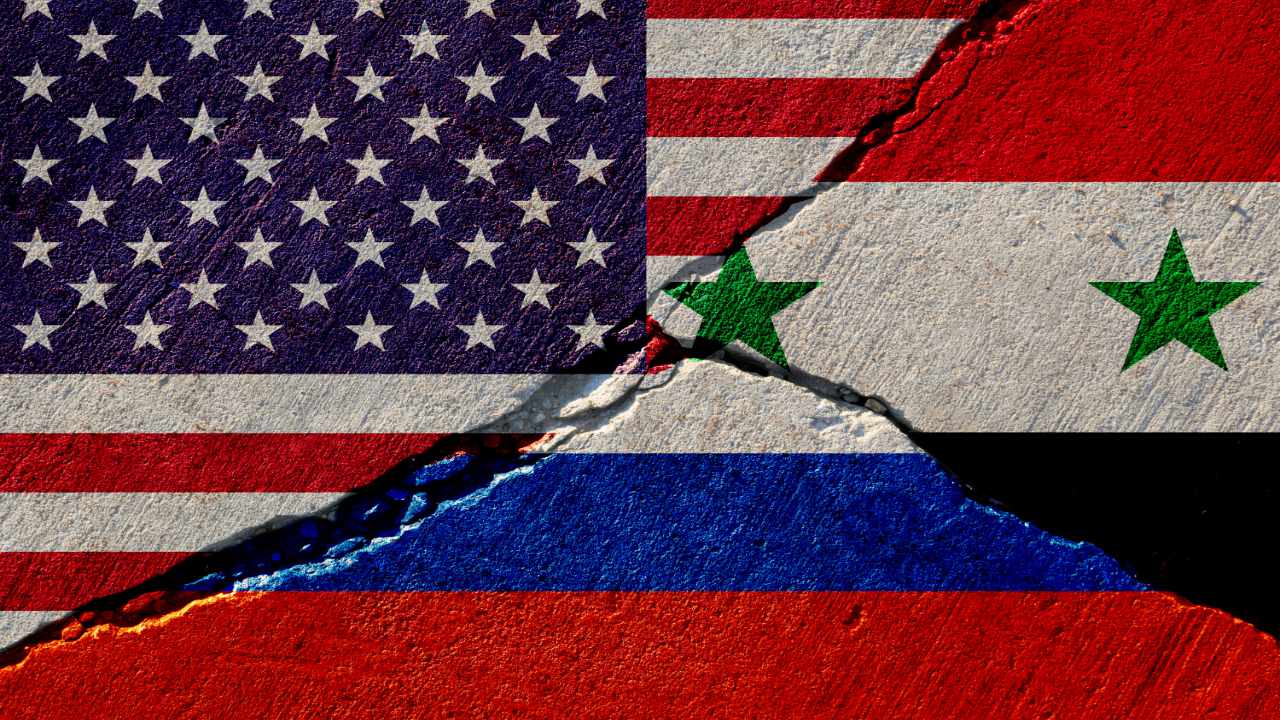
Sanctions on Syria began to take shape in the 1990s, but the ongoing civil war and human rights violations significantly escalated these measures. Various countries, including the United States, European Union, and others, have imposed restrictive measures targeting the Syrian government, military, and affiliated individuals and entities. These sanctions include asset freezes, travel bans, and trade restrictions, particularly concerning oil and military goods.
Key Stakeholders and Their Roles
Different entities are involved in sanction enforcement, including government agencies, international organizations, and compliance departments within private companies. In the U.S., the Department of the Treasury’s Office of Foreign Assets Control (OFAC) is primarily responsible for implementing and enforcing sanctions. The European Union’s restrictive measures are influenced by the political situation and humanitarian needs in Syria. Companies considering doing business that might involve Syria must consult these regulatory bodies to ensure that they are not inadvertently breaching any laws.
Types of Sanctions
Sanctions against Syria can be broadly categorized into the following types:

- Economic Sanctions: Restrictions on trade, investment, and financial transactions involving Syrian individuals and entities.
- Military Sanctions: Prohibitions on arms sales and military technology transfer to Syria.
- Travel Bans: Restrictions that prevent individuals linked to the Syrian regime from entering certain countries.
- Asset Freezes: Seizure of funds and assets belonging to designated Syrian individuals or entities.
Implications for Businesses
Companies must conduct thorough due diligence to ensure compliance with applicable sanctions. Engaging in business with Syrian entities can lead to significant legal and financial repercussions. Companies must also ensure their supply chains are free from any connections to sanctioned individuals or groups. This is particularly important in industries such as oil and gas, telecommunications, and construction, which have reported links to the Syrian government.
Compliance and Best Practices
To ensure compliance with Syria sanctions, businesses should adopt the following best practices:
- Perform Regular Sanctions Screening: Regularly screen customers, suppliers, and partners against sanctions lists.
- Develop a Compliance Program: Implement a robust compliance program that includes training for employees on sanctions-related issues.
- Consult Legal Experts: Regularly seek advice from legal experts specializing in international trade and sanctions law.
- Stay Informed: Keep abreast of evolving sanctions regulations and updates from relevant authorities.
Enforcement and Penalties
Non-compliance with Syria sanctions can lead to serious consequences, including hefty fines, legal action, and reputational damage. Enforcement agencies closely monitor adherence to sanctions, and violations can result in investigations. In the past, companies have faced millions of dollars in fines for engaging in prohibited activities related to Syria.
Effect on Humanitarian Aid
While sanctions are intended to pressure the Syrian government, they can inadvertently affect humanitarian efforts. Certain sanctions can limit the ability to deliver aid effectively. However, many countries allow exemptions for humanitarian purposes, recognizing the dire need for assistance in the region. It is crucial for organizations involved in humanitarian work to navigate these regulations carefully and ensure they comply with the necessary requirements to facilitate aid to those in need.
Conclusion
The sanctions landscape regarding Syria is complex and constantly evolving. Businesses must stay informed and be proactive in their compliance efforts to prevent inadvertent violations. Understanding the implications of sanctions and implementing best practices will not only protect companies from severe penalties but also contribute to wider efforts to address the humanitarian crisis in Syria.
As the situation continues to evolve, it is imperative for stakeholders to engage in open dialogue and advocacy to ensure that sanctions achieve their intended goals without causing unintended harm to the most vulnerable populations. By staying informed and adhering to regulations, organizations can navigate the challenges posed by Syria sanctions while fulfilling their corporate and social responsibilities.