
The evolution of gambling cultural influences and societal shifts
Historical Context of Gambling
The origins of gambling can be traced back to ancient civilizations, where games of chance played a vital role in social interactions and cultural expressions. In societies such as those in Mesopotamia and China, gambling was not merely a pastime but intertwined with religious and social rituals. These early forms of gambling laid the groundwork for future practices, establishing a framework that would evolve significantly over centuries. If you’re looking for modern gaming options, https://vegasworld-casino.com/ offers a contemporary take on this age-old activity.

As societies progressed, so did the complexity of gambling activities. The Middle Ages saw the rise of games like dice and card games, which became popular across Europe. With the establishment of gambling houses and eventually casinos, the cultural perception began to shift, viewing gambling as a legitimate form of entertainment rather than a mere vice. This evolution marked the beginning of gambling’s integration into mainstream culture.
Modern Gambling Trends
The advent of technology has dramatically transformed the gambling landscape in recent decades. Online casinos and mobile gaming have made gambling more accessible than ever before, allowing players to engage with their favorite games from anywhere in the world. This shift towards digital platforms reflects broader societal trends, such as the growing reliance on technology and the shift towards convenience in leisure activities.
With modern gambling, we also see an increase in the use of social media and digital marketing, which has reshaped how gambling institutions reach their audience. The promotion of online gambling through social channels creates a new cultural narrative, portraying it as a lifestyle choice rather than a mere gamble. This evolution challenges traditional perceptions and invites younger generations to participate in gambling activities.
Cultural Influences on Gambling Practices
The cultural environment plays a significant role in shaping gambling practices across different societies. In some cultures, gambling is celebrated and integrated into major events and celebrations, while in others, it is viewed with skepticism or outright prohibition. This dichotomy affects the way gambling is perceived and practiced, influencing both societal attitudes and governmental regulations.
Furthermore, the representation of gambling in media—ranging from films to television shows—has contributed to its cultural significance. Characters portrayed as gamblers can both glamorize and vilify the practice, creating a complex narrative that impacts public perception. As a result, gambling has become a subject of fascination, sparking discussions about morality, risk, and entertainment.
Societal Shifts and Gambling Legislation
As cultural perceptions of gambling evolve, so too does legislation surrounding the practice. Countries that once imposed strict bans on gambling have begun to reconsider their stance, often legalizing and regulating it to generate tax revenue and control illicit activities. This shift reflects changing societal attitudes, where gambling is increasingly seen as a legitimate form of entertainment rather than a social evil.
The shift in legislation has led to a more diverse range of gambling options available to the public. From sports betting to online casinos, the legal landscape allows for a myriad of choices, catering to different preferences and interests. This evolution underscores how societal shifts can influence not only the legality of gambling but also its cultural acceptance within various communities.
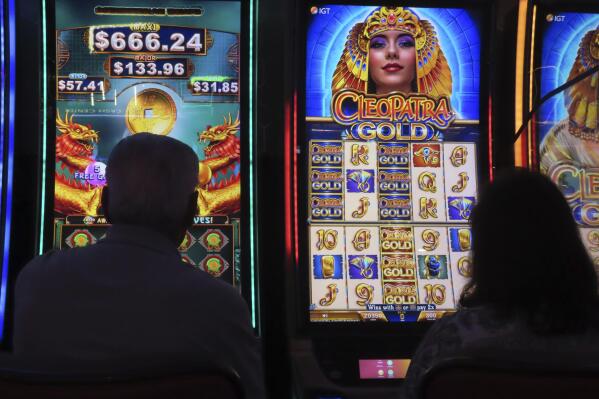
Exploring Online Gaming Platforms
In today’s digital age, platforms like online casinos have revolutionized the gambling experience, offering diverse options that cater to a broad audience. With enticing welcome bonuses and promotions, players are encouraged to join and explore these virtual gaming spaces. This shift towards online platforms reflects broader trends in society, where convenience and accessibility are prioritized.
Websites dedicated to online gaming provide a secure and enjoyable environment for players, emphasizing fast payouts and high-quality game experiences. As the online gaming industry continues to grow, it fosters a community where players can engage, share experiences, and enjoy the thrill of gambling from the comfort of their homes. This evolution highlights how the gambling landscape continues to adapt to modern societal needs, blending entertainment with technological advancement.