
Cultural perceptions of gambling how history shapes our views today
Understanding Gambling Through Historical Context
The cultural perception of gambling has evolved considerably throughout history, reflecting societal norms and values. In ancient civilizations, gambling was often intertwined with religious practices and community events. For example, the Romans would bet on gladiatorial games, viewing it as a form of entertainment and a display of bravery. This historical context reveals how gambling was not merely a financial transaction but also a communal experience that helped to forge social bonds. Today, if you’re interested in exploring online options, you can visit https://auwin9-australia.com/login/, which offers a variety of platforms.
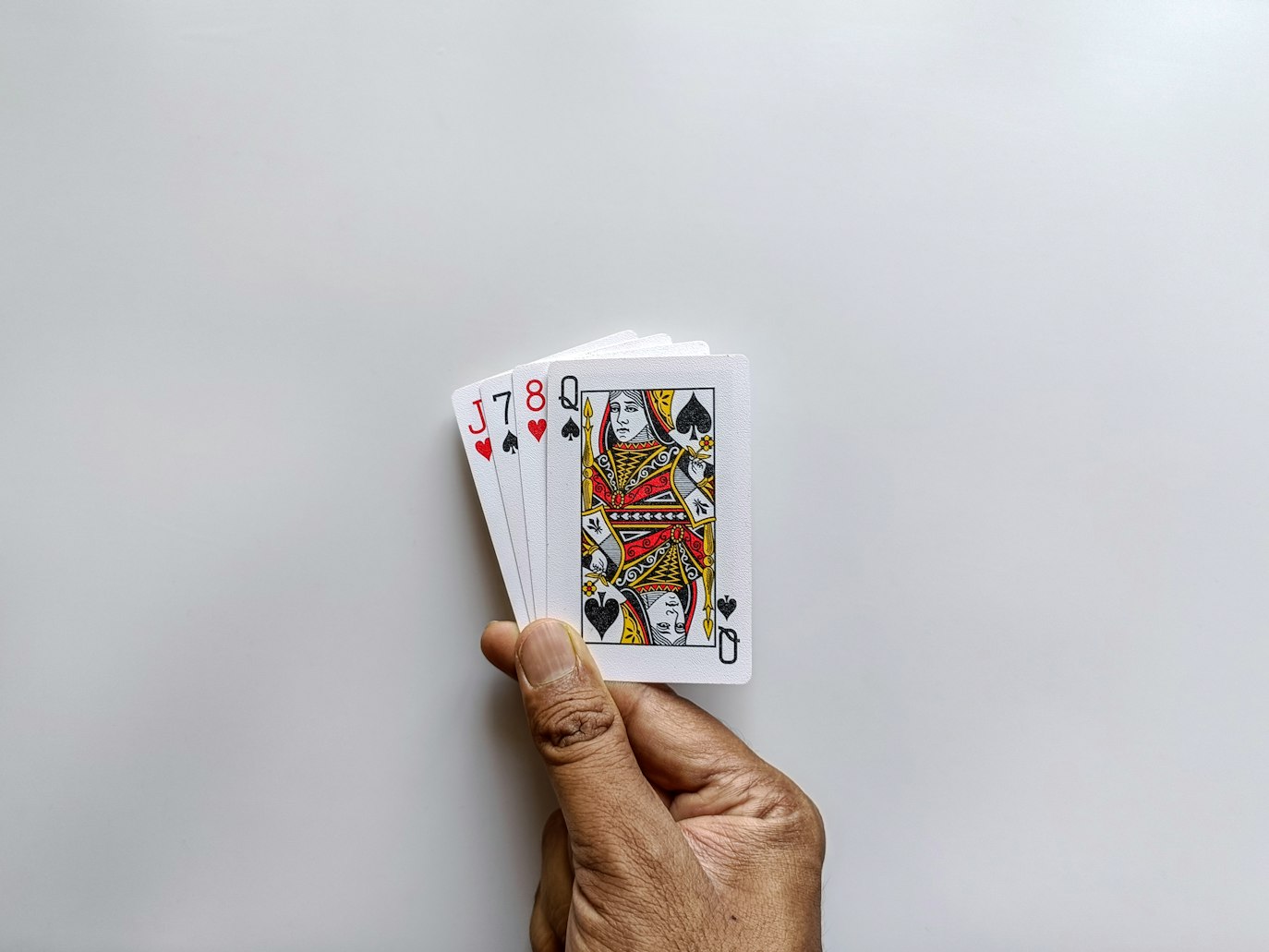
As time progressed, the perception of gambling began to diverge significantly across different cultures. In some Eastern societies, games of chance were often seen as a source of fortune and were integrated into festivals and rituals. In contrast, Western cultures started to view gambling with skepticism, associating it more with moral decay and vice. This duality illustrates the complexity of gambling as a cultural phenomenon, often seen as either a celebration or a sin depending on the lens through which it is viewed.
Historical events, such as the prohibition of gambling in various countries, have significantly shaped modern attitudes toward the practice. For instance, during the 20th century, the United States witnessed a significant anti-gambling movement, which led to strict laws and social stigma. The historical narrative surrounding gambling has created a framework that continues to influence contemporary perspectives, often oscillating between acceptance and condemnation based on regional and temporal contexts.
The Role of Religion and Morality
Religious beliefs have profoundly influenced cultural perceptions of gambling, often dictating whether it is embraced or condemned. In many religious traditions, including Christianity and Islam, gambling is viewed as immoral, primarily because it encourages greed and risks one’s financial stability. This moral framing has contributed to a widespread negative perception of gambling in societies where these religions dominate, influencing laws and social attitudes towards betting and wagering.
Conversely, some cultures have integrated gambling into their spiritual practices, seeing it as a way to connect with the divine or engage in fate. For example, in certain indigenous cultures, games of chance may be used in rituals to honor ancestors or seek guidance. This divergence highlights how religious frameworks can either elevate gambling as a sacred tradition or demonize it as a sinful act, shaping societal views and regulations surrounding the practice.
The ongoing dialogue between morality and gambling continues to evolve, particularly in light of modernity and globalization. As societies become more interconnected, traditional views may clash with contemporary practices, leading to debates over the ethics and implications of gambling in the modern world. This dynamic interplay between faith and practice remains central to understanding how cultural perceptions of gambling are shaped and reshaped over time.
Media Influence and Public Perception
The media plays a crucial role in shaping public perceptions of gambling, often amplifying narratives that influence societal attitudes. From glamorized portrayals of Las Vegas in films and television shows to sensationalized news reports of gambling addiction, the media has the power to either normalize or vilify gambling. These representations can shape public opinion, leading to increased acceptance in some contexts while reinforcing stigmas in others.
Documentaries and investigative pieces that expose the darker sides of gambling, such as addiction and financial ruin, contribute to a more cautious view of the practice. In contrast, coverage that focuses on the excitement and thrill of gambling can make it appear appealing and glamorous, especially among younger audiences. This media dichotomy presents a complex narrative that shapes public discourse around gambling and influences individual choices.
Furthermore, social media platforms have introduced a new dimension to the conversation about gambling. Influencers and content creators sharing their experiences with online casinos and sports betting can shift perceptions significantly, often normalizing gambling as a part of daily life. This dynamic relationship between media portrayals and public perception underscores the importance of examining how contemporary narratives about gambling are constructed and the implications they hold for societal attitudes.
Legalization and Its Impact on Social Views
The legalization of gambling in various parts of the world has been a pivotal factor in reshaping cultural perceptions. As more countries and states recognize gambling as a legitimate form of entertainment, societal views have begun to shift towards acceptance. Legalization often comes with regulatory frameworks that aim to protect consumers and address issues such as addiction, which can help reduce the stigma associated with gambling.
Moreover, the economic benefits associated with legalized gambling, such as job creation and increased tax revenue, have further encouraged a more favorable view. For instance, states that have legalized sports betting have reported substantial economic boosts, which has led to increased public support for gambling initiatives. The positive economic implications often overshadow previous moral objections, highlighting how practical considerations can influence cultural attitudes.
However, the move towards legalization is not without its challenges. Concerns regarding gambling addiction, financial literacy, and the ethical responsibilities of gambling operators remain prevalent in discussions about the impact of legalized gambling. As societies navigate the complexities of gambling’s legalization, cultural perceptions continue to evolve, revealing a landscape that is increasingly accommodating yet still cautious of potential pitfalls.

Exploring Cultural Narratives on Gambling Today
In contemporary society, cultural narratives surrounding gambling are as diverse as the communities that engage in it. While some people embrace gambling as a form of entertainment and leisure, others remain wary, seeing it as a potential risk to financial and personal well-being. This dichotomy can be attributed to a range of factors, including socio-economic status, personal experiences, and cultural background.
Furthermore, the rise of online gambling platforms has introduced new dimensions to how people perceive and engage with gambling. The accessibility and anonymity of online betting can either democratize the experience, making it available to a broader audience, or exacerbate issues related to addiction and responsible gambling. These evolving narratives reflect broader societal changes and highlight the need for ongoing conversations about the implications of gambling in the digital age.
As cultural attitudes continue to shift, discussions around responsible gambling practices and ethical considerations become increasingly important. Community outreach and education initiatives play a vital role in fostering a more informed public, allowing individuals to navigate the complexities of gambling while understanding its risks and benefits. This ongoing evolution of cultural perceptions underscores the necessity of examining how history and contemporary practices shape our views on gambling today.